Relational & Existential Counsellor & Psycho-therapist

About
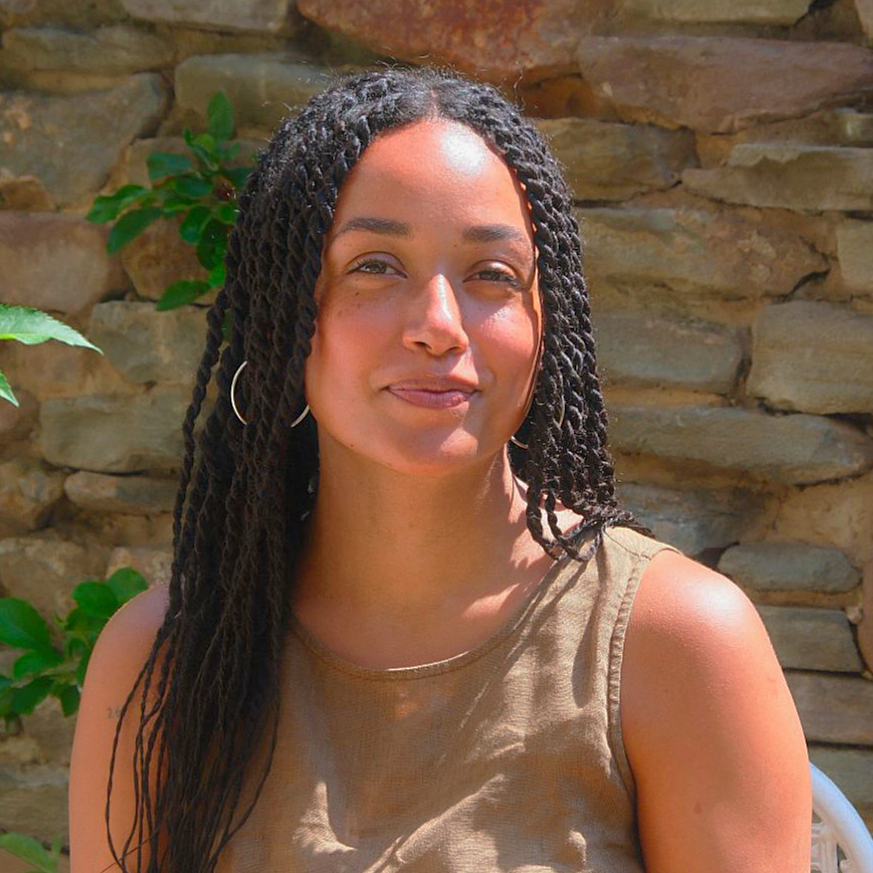
I’m Zoë (she/her) and I’m a relational-existential counsellor & psychotherapist. I’m Irish with Antiguan heritage and my practice is based in East London.
Dealing with the ongoing unrest in the world alongside our own personal battles can often feel like too much to hold. While therapy cannot change the world, it is a space to share the load, to untangle yourself, to make sense of who you are and where you’re going.
I have a wide range of experiences supporting adults with their mental health. I volunteered with Bristol Mind for over two years on their emotional support helpline, providing peer support and supervision to other volunteers as well as assisting in the training process.
I completed a two-year psychotherapy placement at The Swan Project, a charity providing long-term therapy to adults impacted by addiction.
For four years, I worked at Keystones, an organisation providing supported accommodation to adults with complex mental health needs. In this setting, I provided therapy to adults with experiences of psychosis, psychiatric care and complex trauma.
- MA (dist.) in Integrative Counselling and Psychotherapy – University of South Wales: My master’s research explored the prevalence of racial capitalism within the equality and diversity strategies produced by psychotherapy governance bodies in the UK.
- PGDip. in Integrative Counselling and Psychotherapy – University of South Wales
- Level 4 Certificate in Integrative Counselling – University of Plymouth
Approach
Rarely, if ever, are any of us healed in isolation. Healing is an act of communion.
— bell hooks
I take a relational-existential approach to therapy which believes that all wounds are relational. They occur in the context of other people and so, must be tended to in the context of other people. This type of therapy explores how we sit with ourselves while sitting with another, and feel more grounded in our place in the world.
It is a space to slow down and to listen to yourself more clearly, and pay attention to what you hear. By taking a ‘both/and’ approach, this therapy explores what it means for multiple things to be true at once. I have experience working with a range of issues but particularly with people who are confronting questions of meaning, purpose, identity, belonging and experiences of existential anxiety.
Having an awareness of the systems and structures we live within is equally as important. My approach tries to help you to see yourself not just as an individual but part of a larger collection of people, places and histories. I work within a feminist and anti-oppressive framework to help me do this.
Relational psychodynamic therapy considers the relationship between the therapist and client to be an essential factor in the therapy process. As we work together, we will form a relationship that relationship might mirror other relationships in your life. You might recognise familiar feelings and reactions that can be linked back to past relationships, and I might highlight certain patterns that come up. All of this can be used as a tool to help link your past to your present actions, and to understand the ways you relate to others more clearly. Feeling safe and free of judgement is key to this process.
Existential therapy is based on existential philosophy which believes that we are not born with inherent meaning to our life but that we create meaning ourselves. It suggests we are ‘thrown’ into existence and try to make sense of our place in the world as best we can. It is interested in the specific way you experience the world and the choices you make. This type of therapy encourages you to live more deliberately and more authentically, while accepting what it is to be human.
Counselling often takes place over a shorter period of time, 6-12 sessions, and focuses on a specific issue. It could be difficulty at work, or a relationship break-down, any situation that is causing stress in your life that you would like to gain more clarity about so that you can move forward.
Psychotherapy is generally a longer process, which may begin by looking at a specific issue but will delve deeper into your past and might examine multiple issues you’ve faced in your life and look for repeating patterns or themes. It will help you to explore how you came to be the person you are today and how this might be impacting your experiences at work or your relationships, for example.
Counselling can often develop into psychotherapy as once you begin to uncover aspects of yourself you might want to keep digging, but maybe not. Therapy can be for as long or as short as you like, and some people like to dip in and out when they feel they need it most.
After an initial 15 minute introductory call we would arrange an initial session. This session gives us a better idea of whether I’m the right fit for you. My approach is more dialogic than structured and each session begins with whatever you need that day. The aim is to co-create a space where you can see yourself more clearly and I can understand what it means to be you.
I will be interested in both the stories you tell and the way they are told. I might ask questions and clarify what you mean, make connections and find themes that resonate for you. We will also pay attention to your body and how it responds to different memories and experiences and what it might be trying to communicate.
Therapy brings different things to different people but gaining a new language to understand yourself, and a sense of acceptance and appreciation for who you are and the life you’ve lived is a fundamental part of the process.
Areas I work in:
- Anxiety
- Depression
- Suicidal Thoughts
- Social Anxiety
- Complex Trauma
- Addiction
- Relationship Issues
- Belonging & Migration
- Grief & Loss
- Religious Trauma
- Climate Anxiety
- Social Identity (Race/Class)
- Discrimination
- LGBTQIA+ Identity
- Mixed Heritage Identity
Fees & Contact
If you would like to discuss the possibility of working together, I offer a free 15 minute phone call which will allow us to get a sense of one another and to answer any questions you might have.
I am available both online, nationwide, and in-person, based in Hackney, East London.
Fees:
£60 for 50-minute weekly sessions
(concession rate for low income earners – limited availability)
To get in touch, please send an email to: zoedorantherapy@gmail.com or fill out the form below.


***
Resources
If you are in crisis or feel you need support urgently, here are a list of useful contacts:
NHS crisis line, open 24 hours, daily – 0800 953 1919
Samaritans Listening Service, open 24 hours daily – 116 123
SANEline Open daily 4.30-10.30pm – 0300 304 7000
Bristol MIND Line (Listening Service) – Open Wed-Sun 7-11pm – 0808 808 0330
Shout (support) – Open 24/7 – Text: SHOUT to 85258
If you are looking for therapists working specifically with identity and minority groups, here are a list of resources:
Black, African, Asian Therapy Network – www.baatn.co.uk
Pink Therapy for the LGBTQIA+ community – www.pinktherapy.com
 Zoë Doran Therapy